Konference: Community sport of the future. De bedste eksempler fra udlandet
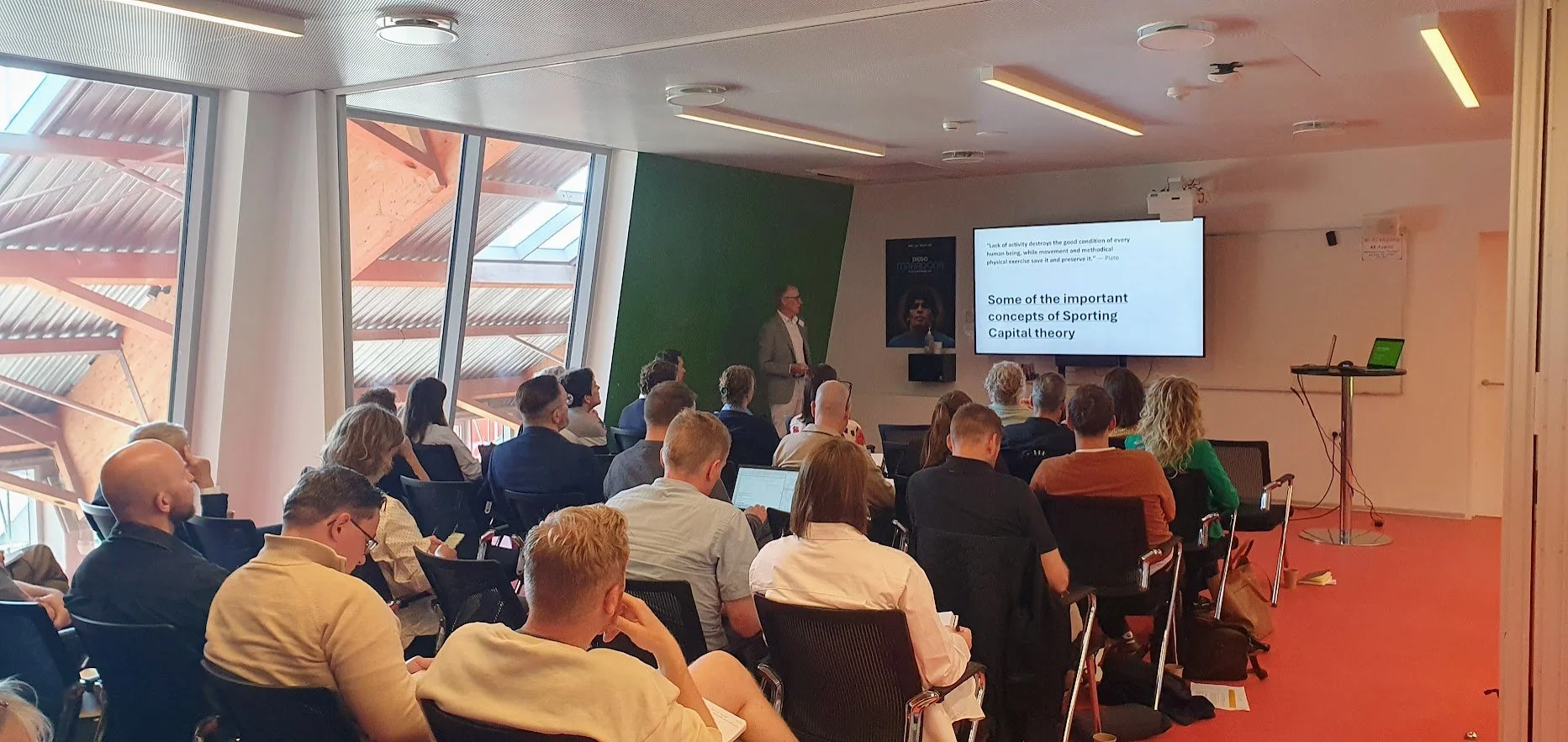
Tusind tak til deltagerne i konferencen Community Sport of the Future’ i Hafnia-Hallen den 18. maj. Du kan genfinde præsentationerne fra konferencen under de enkelte oplægsholdere nedenfor.
Opfølgende møde:
Invitation: Opfølgning på Community Sport of the Future
Webinar. Mandag den 1. juni 2026 kl. 09.00-10.00.
Læs mere og tilmeld dig (gratis) på dette link.
Yderlige oplysninger:
Henrik H. Brandt, daglig leder af IdrætsPlatformen, tlf. +4529210972, henrik.brandt@idraetsplatformen.dk
Program og præsentationer:
Download det fulde program i PDF-format på dette link.
09.30-10.15: Arrival, registration, coffee network
10.15-11.45: In a perfect world… The fundamentals of life-long sports participation
Words of welcome. Looking for new tools to develop sport in the community
Henrik H. Brandt, manager, IdrætsPlatformen Danmark/SportsHub Denmark
Download præsentationen
The Athletic Skills Model – laying the foundation for balanced talent development and lifelong sports participation
The Dutch Athletic Skills Model is a practical and scientifically based development model for talent development, recreational and unorganised sport, physical education, health care, and arts and culture. The model is based on the adaptation of fundamental movement skills through good physical education and inspiring physical environments for movement and sport. Get to know much more about the scientific and practical foundation basis of the model and get inspiration to develop sports environments and physical infrastructure according to the athletic skills model principles.
Jorick Hendriksen, operational manager, Athletic Skills Model, the Netherlands
Læs mere om Athletic Skills Model på dette link.
Sporting capital – working with the key foundations for developing better sports participation programs
The theory of sporting capital is a tool to identify and better understand specific target groups and their motivation or ability to sustain life-long sports participation. In this session you get an insight into the characteristics of various levels of sporting capital and the potential for sports providers to use sporting capital as a tool in adapting to the needs of the citizens and develop new initiatives to stimulate sports participation.
Nick Rowe, author of Sporting Capital – transforming sports development policy and practice, United Kingdom
Download præsentationen
Hvorfor er denne session vigtig? Sessionen giver helt konkret inspiration til, hvordan man kan organisere træning af grundmotoriske færdigheder i skoler, foreninger, faciliteter og andre fritidsmiljøer. Få inspiration til at arbejde med og udvikle programmer for befolkningsgrupper med vidt forskellige forudsætninger. Få et nyt sprog for idrætsudvikling og konkrete værktøjer både i teori og praksis til at skabe nye samarbejder helt lokalt og måske finpudse igangværende tiltag eller udvikle nye aktiviteter og indsatsområder hos idrætsudbydere og faciliteter. Kort sagt: Hvis du tænker Athletic Skills Model og Sporting Capital sammen har du lagt bunden for fremtidens kommunale idrætspolitik eller idrætscentrets nye strategi.
11.45-12.00: Coffee
12.00-13.30: Enterprising sports environments – how to develop innovative programs and get more people involved
Community leisure centres as hubs for health, sport, and local development
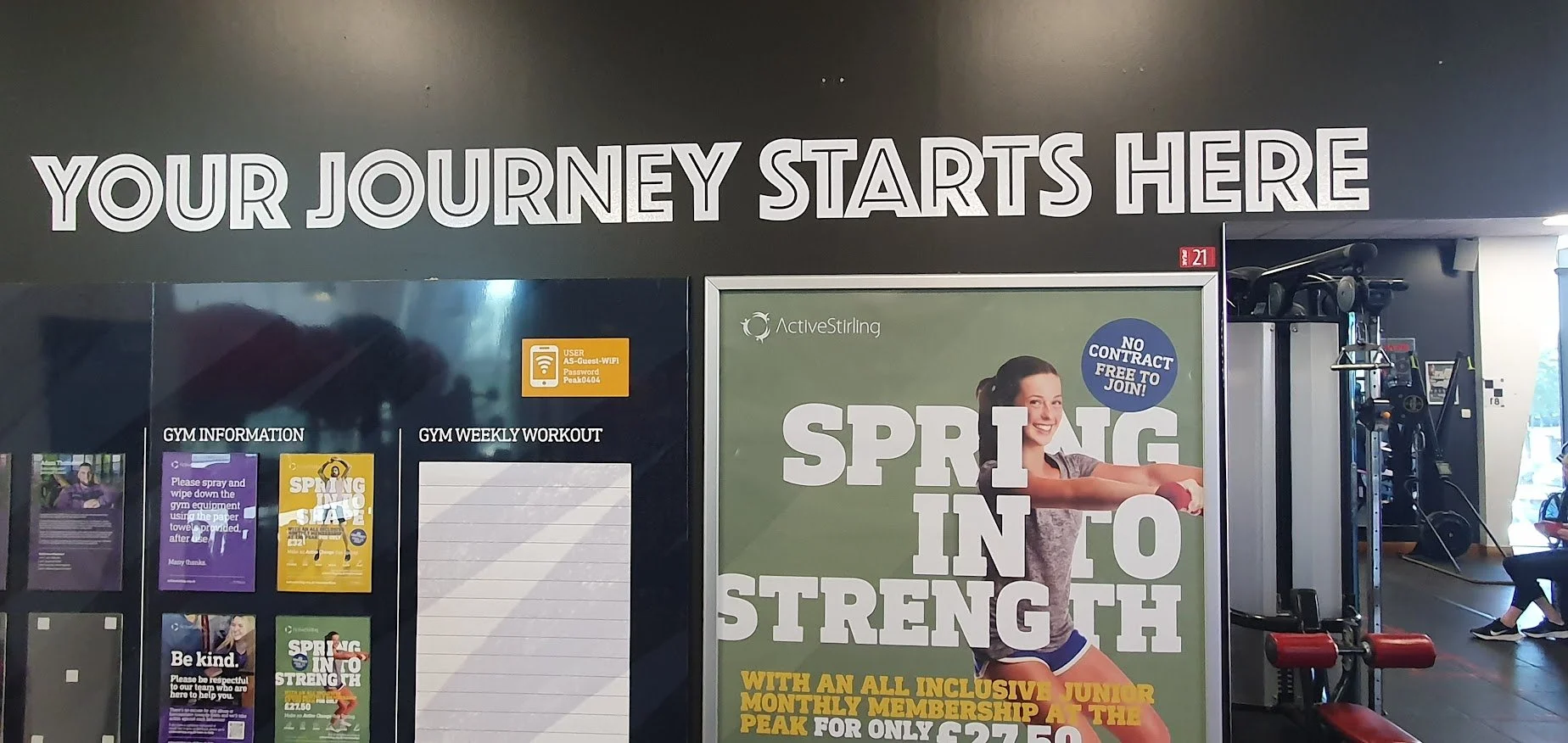
In the United Kingdom local authorities often outsource operation and management of sport and leisure facilities to not-for-profit leisure trusts. These trusts are at the heart of local sports provision in the UK, but the leisure trusts are under increasing financial pressure and in need of generating new income and attracting new user groups to finance their facilities and stay relevant for the local population in sport, health, and wellbeing. Get an insight into the challenges, potential, and solutions of the British model. Learn how UK facilities work with health referrals and with measuring social return on investment (SRI) to highlight their value for local communities. Some leisure trusts are highly successful in connecting with their local community.
Kirsty Cumming, CEO, Community Leisure UK, United Kingdom
Download præsentationen
Building strong partnerships between society and the entrepreneurial (private) sports sector
What happens when national and local authorities work closer with the private sports sector? The Dutch ‘Platform Ondernemende Sportaanbieders’ (Platform of entrepreneurial sports providers) has rapidly grown into a valued partner in national as well as local sports strategies and sports initiatives. What is the untapped potential of entrepreneurs in sport? How can public authorities, local sports clubs, and private entrepreneurs work together in creating a much more vibrant and attractive sports sector? What is the relation between association sport and entrepreneurial sport in the Netherlands on a national and municipal level?
Lodewijk Klootwijk, CEO, Platform Ondernemende Sportaanbieders, Netherlands
Download præsentationen
Questions and dialogue: Developing the keys to a more enterprising Danish sports sector of the future.
Hvorfor er denne session vigtig? I denne session får du konkret inspiration til at udvikle aktiviteter for flere borgere, udvikle samarbejder mellem idrætsfaciliteter, private idrætsaktører, kommuner og foreninger om målrettede initiativer, aktivitetsudvikling og nye samarbejder med konkrete målsætninger. Du får samtidig inspiration til at måle den sociale værdi af idrætsfaciliteter og idrætstilbud, og du hører om, hvordan faciliteter og private idrætsudbydere spiller en helt afgørende rolle for idrætsudvikling i UK og Holland – i samspil eller god sameksistens med foreningslivet.
13.30-14.30: Lunch, network
14.30-16.00: Feet on the grass. The importance of human resources and local co-ordination in the sports sector of the future
Brief introduction: The challenges in securing the right workforce in the sports sector
Henrik H. Brandt, manager, IdrætsPlatformen Danmark/SportsHub Denmark
Neighborhood coaches as the personal connection between health, sport, and social cohesion in the local communities
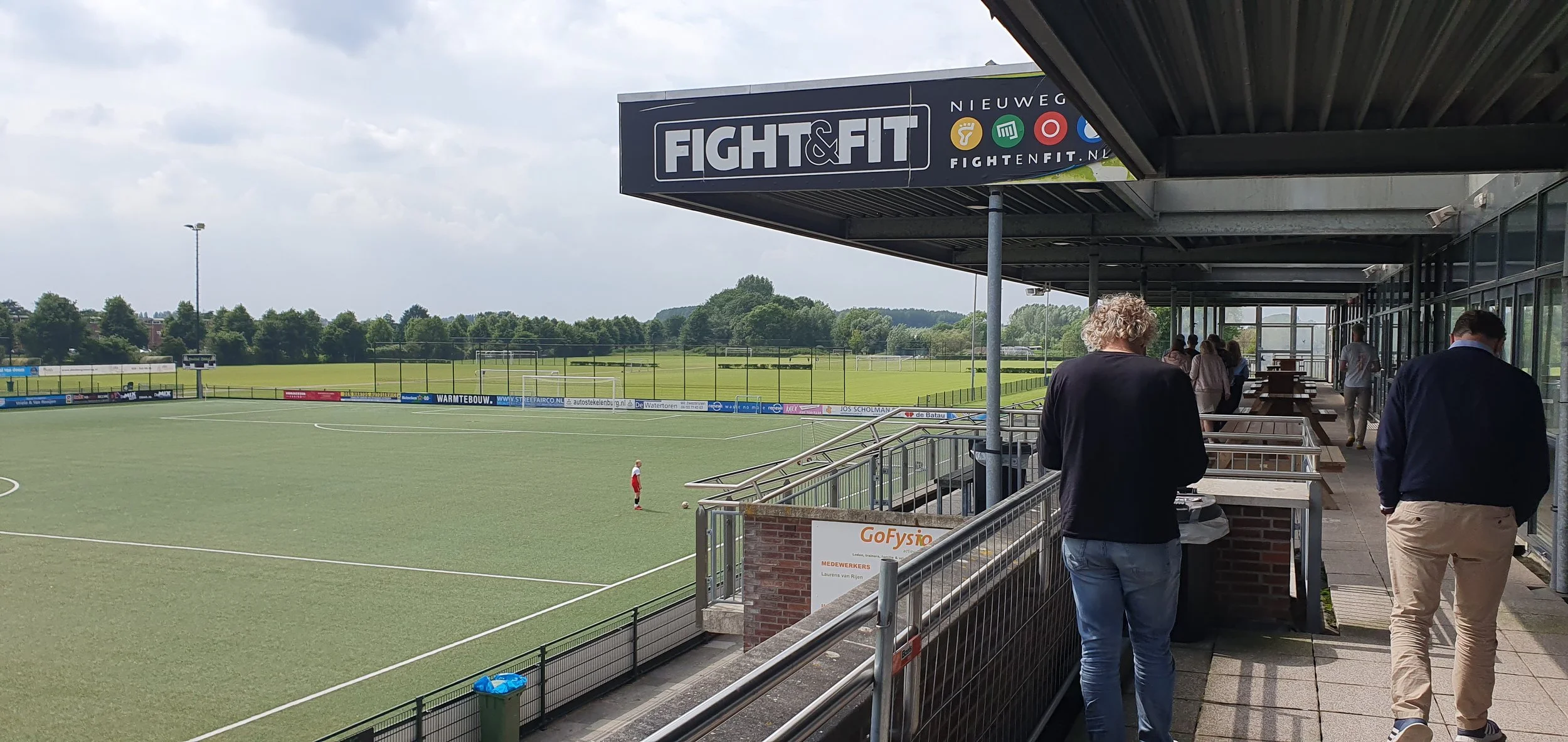
In the Netherlands almost 6.000 people work as buurtsportcoaches (neighborhood coaches) in the triangle between local authorities, sports providers, and facilities. The aim is to connect citizens in need with tailormade sports provision in their local communities. The programs can be delivered by sports clubs, private sports enterprises, facilities, or the coaches themselves. Using the municipality of Nieuwegein as a case we get an insight into the practical aspects and the challenges and innovative initiatives to get people from the local community more active and involved and increase the accessibility to sports opportunities in the neighborhood.
Cees van Rootselaar, head of the buurtsportcoaches of Nieuwegein Municipality, the Netherlands
Download præsentationen
Supporting a flexible and attractive labour market in the sports sector
Sport is expected to deliver more value on sports participation, social cohesion, and health, but often the lack of sufficient human resources (coaches, trainers etc.) to deliver the sports programs is a barrier for sports providers. How can we create a more stimulating and flexible work environment for sports coaches and instructors and assist clubs, facilities and other sports providers in recruiting and employing the right people for the tasks in sport? This is where the Flemish organisation Sportwerk comes into the picture.
Michiel Vlaminck and Laura-Emirode Rasemont, Expertisecentrum, Sportwerk, Belgium
Download præsentationen
Questions and dialogue: Identifying ways to better engage with various target groups in community sport.
Hvorfor er denne session vigtig? I denne session får du inspiration til at styrke samarbejdet og koordineringen med lokale fritidsguider, idrætsvejledere, og du får helt konkret inspiration til, hvordan du kan hverve, fastholde og udvikle de nødvendige menneskelige ressourcer og kompetencer til at levere træning og aktivitetsprogrammer lokalt og samtidig reducere den administrative byrde for foreninger og andre idrætsudbydere.
16.30-17.30:
A tour of Hafnia-Hallen, one of the most enterprising and diverse not-for-profit sports facilities in Denmark
Hafnia-Hallen is one of the most vibrant community sports arenas in Denmark with a wide range of activities and user groups. Explore the innovative facilities and the set-up of the not-for-profit organisation behind Hafnia-Hallen.
Jan Barslev, manager, Hafnia-Hallen
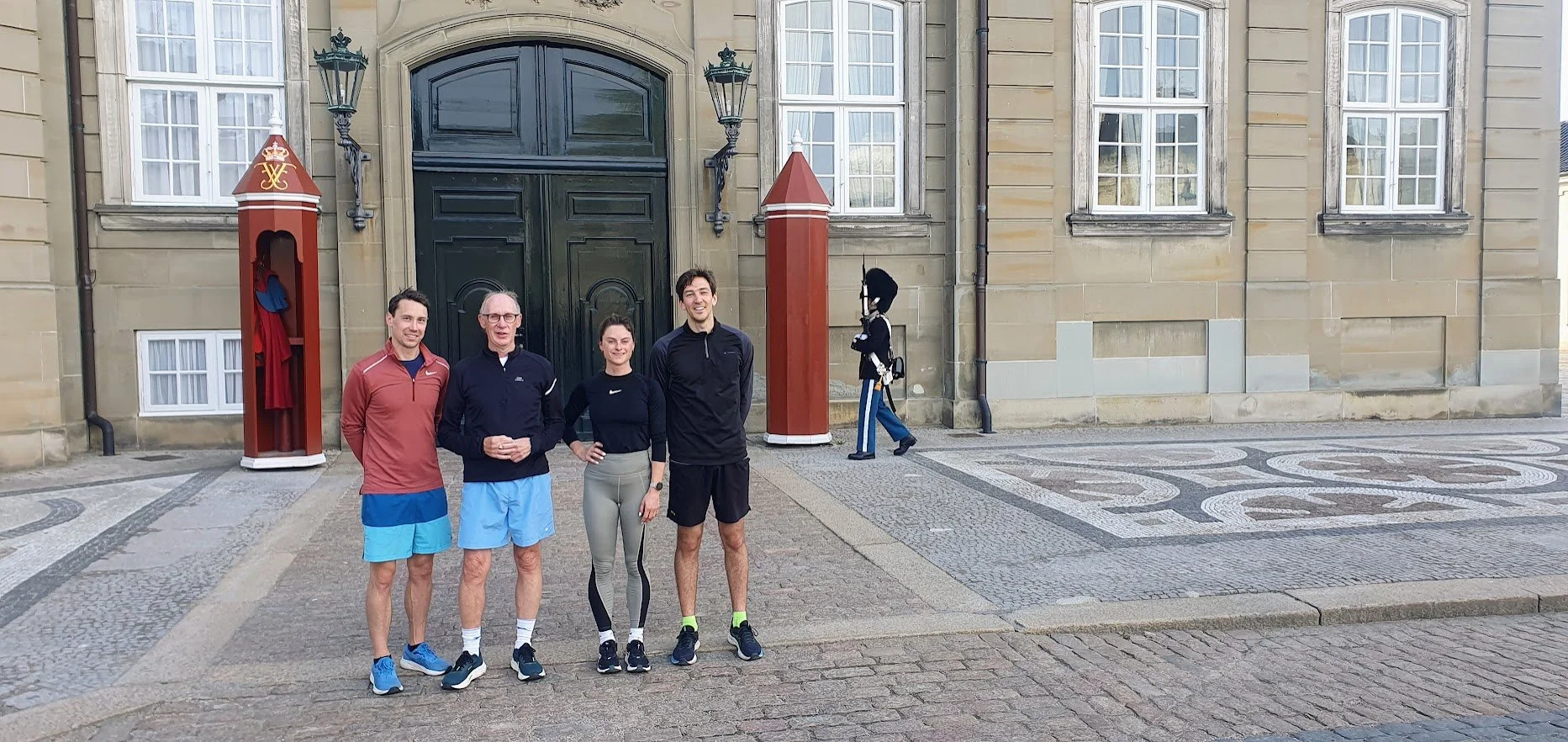
Great conference speakers on their early morning run in Copenhagen. From left: Jorick Hendricksen (Athletic Skills Model), Nick Rowe (Sporting Capital), Laura-Emirode Rasemont and Michiel Vlaminck, Sportwerk. Foto: Henrik H. Brandt